

What is Patella Femoral Pain Syndrome (PFPS)?
Patellofemoral Pain Syndrome (PFPS)
Patellofemoral Pain Syndrome, which is often referred to as “runner’s knee,” is one of the most common causes of knee pain. It is especially common among active individuals, but PFPS can impact anyone who regularly loads the knee joint.
PFPS is typically characterized by pain around or behind the kneecap (patella), where it articulates with the femur (thigh bone). This is known as the patellofemoral joint. This joint plays a crucial role in knee mechanics, helping to distribute forces during movement. When something disrupts how the patella tracks along the femur, irritation and pain can develop.
One of the key features of PFPS is a diffuse, non-specific pain in the front of the knee. People often describe discomfort during activities like running, descending stairs, or squatting. The pain may worsen with repetitive loading of the joint, particularly when the knee is bent under load.
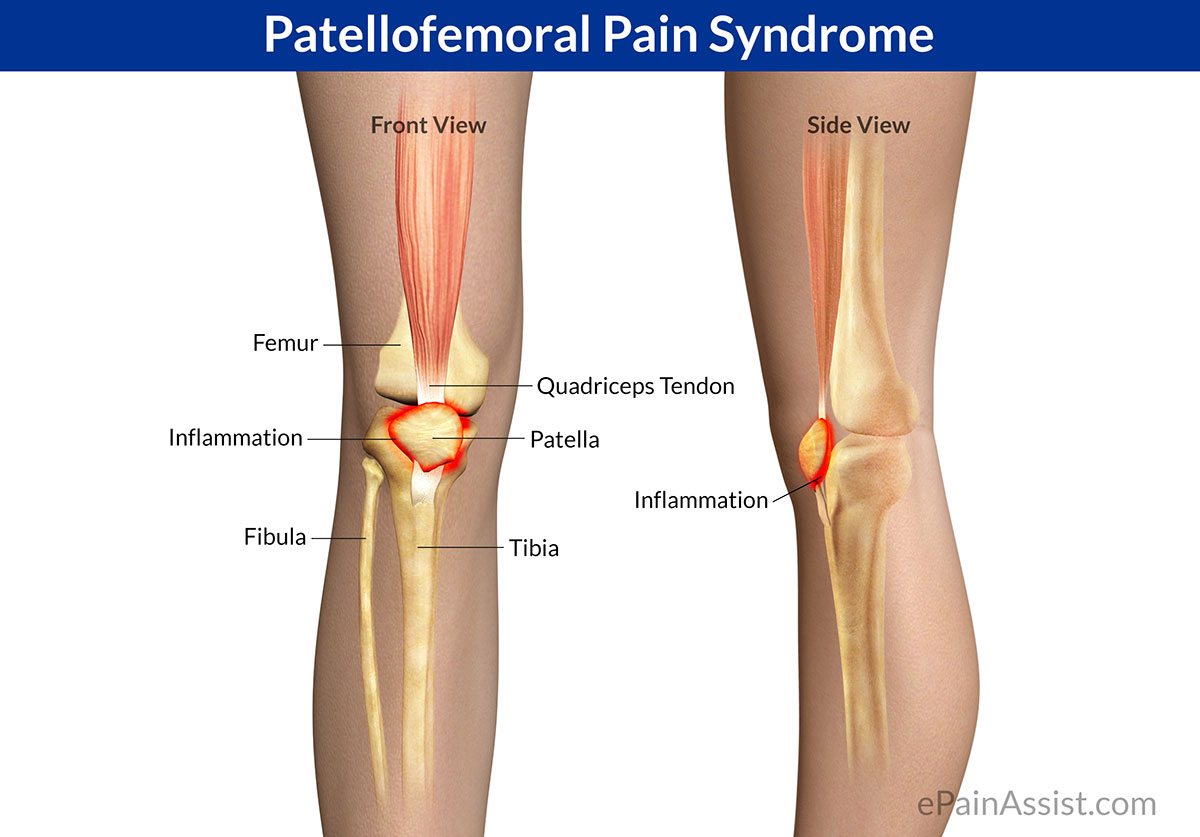
It is important to note that there isn’t one single cause of PFPS. It is considered a multifactorial condition, with a major contributing factor being poor patellar tracking. Ideally, the patella glides smoothly within a groove on the femur as the knee bends and straightens. However, muscle imbalances, altered biomechanics, or structural variations can cause the patella to shift slightly off course, increasing stress on surrounding tissues.
How our muscles function during movement play a significant role here. “Weakness” or delayed activation of muscles like the vastus medialis oblique (VMO) can reduce the ability to stabilize the patella. At the same time, tightness in structures like the tensor fasciae latae (TFL) and vastus lateralis, can pull the patella outward, further contributing to discomfort.
Hip and foot mechanics are equally important for this condition but are often overlooked during assessment. Altered gait, foot instability, or weakness in the hip abductors and external rotators can lead to an inward collapse of the knee during movement. This altered alignment changes how forces are distributed through the patellofemoral joint, increasing stress and potentially triggering pain. More often than not, PFPS is not just a knee problem, but a whole lower-limb issue.
Training errors are another common contributor. Rapid increases in activity intensity, or frequency can overload the patellofemoral joint before the tissues have time to adapt. This is particularly common in runners who suddenly increase mileage or incorporate more hills and speed work without proper progression.
When it comes to management, the focus should be on addressing the root causes rather than simply masking symptoms. This is where a targeted, individualized approach becomes important! Athletic therapy can help identify contributing factors and guide appropriate exercise selection, movement retraining, and activity modification to reduce pain and get you back to doing what you love!
-Jaymie Grove, CAT(C)